华体会手机网页版登录入口
华体会手机网页版登录入口
华体会手机网页版登录入口-华体会(中国)
华体会手机网页版登录入口-华体会(中国)
产品展示
党群建设
员工风采
服务中心
联系我们
招聘系统
企业留言
在线视频
·
【2025年度先进事迹展播(六)】雅盐化集团
·
雅盐化集团公司召开十一届四次职代会暨十四
·
华体会手机网页版登录入口-华体会(中国) 2026年第一次
·
巾帼绽芳华 奋进新征程——雅盐化集团公司举
·
雅盐化集团公司召开党委(扩大)会议 部署开
·
【2025年度先进事迹展播(五)】雅盐化集团
·
隆宝化工公司召开开工动员大会 凝心聚力确保
·
【2025年度先进事迹展播(四)】雅盐化集团
·
华体会手机网页版登录入口-华体会(中国) 物流运输服务
·
【2025年度先进事迹展播(三)】雅盐化集团
更多>>
最新公告
·
内蒙古隆宝化工有限公司年产 27450吨精细化
·
内蒙古隆宝化工有限公司年产27450吨精细化工
·
华体会手机网页版登录入口-华体会(中国) 招聘启事
·
内蒙古隆宝化工有限公司年产1000吨环保型农
·
内蒙古隆宝化工有限公司年产700吨对氨基苯甲
·
内蒙古隆宝化工有限公司年产1000吨环保型农
·
内蒙古隆宝化工有限公司年产1000吨环保型农
·
内蒙古隆宝化工有限公司年产27450吨精细化工
·
内蒙古隆宝化工有限公司年产27450吨精细化工
更多>>
党群建设
阿右旗乌兰牧骑与雅盐化集
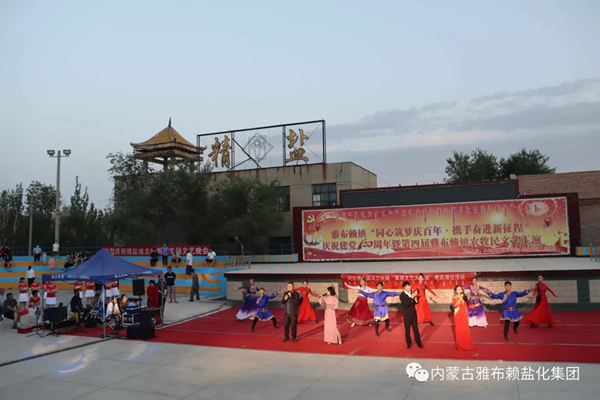
7月8日晚,阿右旗乌兰牧骑走进雅盐化集团公司,与企业联合举办消夏暨庆祝雅盐建场80周年文艺晚会。……
·
雅盐化集团公司召开2025年度基层党组织书记
·
“踔厉奋发担使命 实干笃行绘新篇”--隆宝党
·
生产技术部党支部开展“踔厉奋发担使命 实干
·
雅盐化集团公司开展“感党恩、听党话、跟党
·
生产技术部党支部开展 “厚植为民情怀 砥砺
更多>>
雅布赖染料有限公司
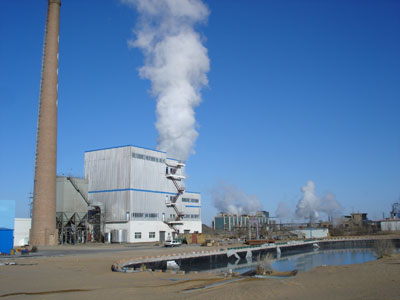
雅布赖染料有限公司介绍
雅布赖染料有限公司成立于2003年7月,是华体会手机网页版登录入口-华体会(中国) 控股子公司。是内蒙古自治区硫化染料生产能力最大,品
更多>>
雅布赖实业有限公司
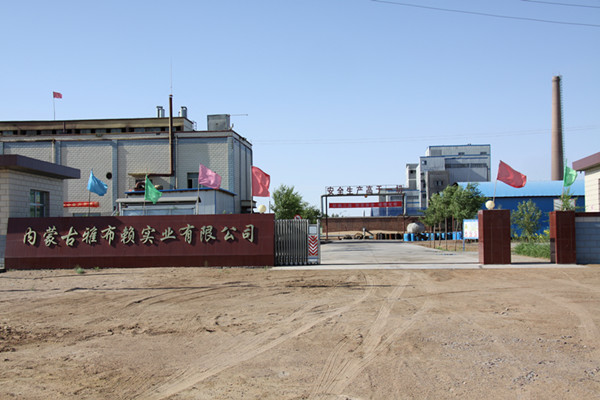
雅布赖实业有限公司简介
内蒙古雅布赖实业有限公司成立于1997年,注册资本3642.5万元。公司是具有独立核算、自负盈亏的法人实体,产业结构明晰
更多>>
金雅德化工有限公司
金雅德化工有限公司简介
金昌金雅德化工有限责任公司是由金昌化学工业集团有限公司、华体会手机网页版登录入口-华体会(中国) 和金昌德金物流工贸有限责任公司三家企
更多>>
内蒙古隆宝化工有限公司
内蒙古隆宝化工有限公司简介
内蒙古隆宝化工有限公司(以下简称“隆宝公司”)成立于2019年7月,注册资本2000万元,系华体会手机网页版登录入口-华体会(中国) 全资子公司。
更多>>
内蒙古地浦科技有限公司
内蒙古地浦科技有限公司介绍
内蒙古地浦科技有限公司成立于2003年7月,是华体会手机网页版登录入口-华体会(中国) 控股子公司。是内蒙古自治区硫化染料生产能力最大,品
更多>>
盐业知识
·
是否全面放开食用盐销售市场 工
·
内蒙古自治区食盐储备管理办法
·
科学识盐:不同食盐知多少 咸味
·
食盐原来那么厉害!看后所有人
·
盐的发现
·
碘盐致甲状腺结节?《食盐专营
更多>>
视频播报
视频
更多>>
员工风采
·
人到四十
·
春日偶感
·
细雨雅布赖
·
母 亲
·
相约春天
·
平凡的人生 执着的奉献
网站调查
没有任何调查
网站搜索
文章
产品图片
友情链接
乐鱼在线-乐鱼在线(中国)
华体会app登录入口-华体会(中国)
AG.COM-电子竞技(中国)
星空官网-星空XINGKONG(中国)
华体会app登录入口-华体会(中国)
华体会体育官方网站-华体会体育(中国)
云开官网_云开(中国)
AG在线平台-AG在线官网
云开 - 华体会手机网页版登录入口
乐鱼在线登陆入口-乐鱼(中国)
 蒙公网安备15292202000003号